
Key Takeaways
- High blood pressure, heart disease, arthritis, diabetes, osteoporosis, and cognitive decline are among the most common health concerns for older adults.
- Many age-related health conditions can be managed with regular medical care, healthy routines, and early intervention.
- Daily habits like physical activity, balanced nutrition, preventive healthcare, and staying hydrated support long-term wellness.
- Social engagement and meaningful relationships contribute to emotional well-being and cognitive health as people age.
- Senior living communities help promote healthy aging through wellness programs, nutritious meals, personalized support, and engaging activities.
What Health Really Looks Like After 65
When someone you love grows older, it’s natural to pay closer attention to their health. You may notice changes in energy levels, mobility, memory, or daily routines and wonder what is simply part of aging and what deserves a closer look. While growing older often brings new health considerations, it can also be a time filled with purpose, connection, and opportunities to continue living well.
Many of the most common health risks for seniors develop gradually, giving families time to recognize changes and respond with the right support. Staying active, keeping up with preventive care, and maintaining strong connections all play a role in healthy aging. Whether your loved one is living independently or beginning to need additional support, a proactive approach can help them continue enjoying a healthy, fulfilling lifestyle.
The Health Challenges That Show Up Most Often
As people age, certain health conditions become more common because the body naturally changes over time. Recognizing these concerns early allows families and healthcare providers to address symptoms sooner and create plans that support long-term health.
Heart Disease and High Blood Pressure
Heart disease remains one of the leading health concerns for older adults, and high blood pressure often develops without noticeable symptoms. Left unmanaged, these conditions can increase the risk of heart attacks, strokes, and other complications. Regular checkups, heart-healthy eating habits, physical activity, and taking medications as prescribed all play important roles in protecting cardiovascular health.
Arthritis and Joint Pain
Arthritis affects millions of older adults and can make everyday activities more difficult. Stiff joints and chronic pain may limit movement, which sometimes leads people to become less active over time. Gentle exercise, stretching, and supportive therapies can help reduce discomfort while improving flexibility and maintaining independence.
Diabetes
Type 2 diabetes becomes more common with age and requires ongoing attention to blood sugar levels, nutrition, and physical activity. When managed well, many older adults continue living active, fulfilling lives. Routine medical appointments and healthy daily habits help lower the risk of complications and support overall wellness.
Osteoporosis and Fall Risk
Bone density naturally decreases with age, increasing the likelihood of fractures after a fall. Maintaining strength, balance, and bone health becomes especially important for preventing injuries. Regular movement, adequate calcium and vitamin D, and creating safer living environments all contribute to reducing fall risk.
Cognitive Changes and Dementia
Occasional forgetfulness is a normal part of aging, but ongoing memory loss, confusion, or changes in judgment may signal a more serious cognitive condition. Early evaluation gives families a better understanding of what is happening and helps connect loved ones with appropriate care and resources. Staying mentally, socially, and physically engaged also supports brain health throughout the aging process.
Simple Daily Habits That Make a Real Difference for Senior Health
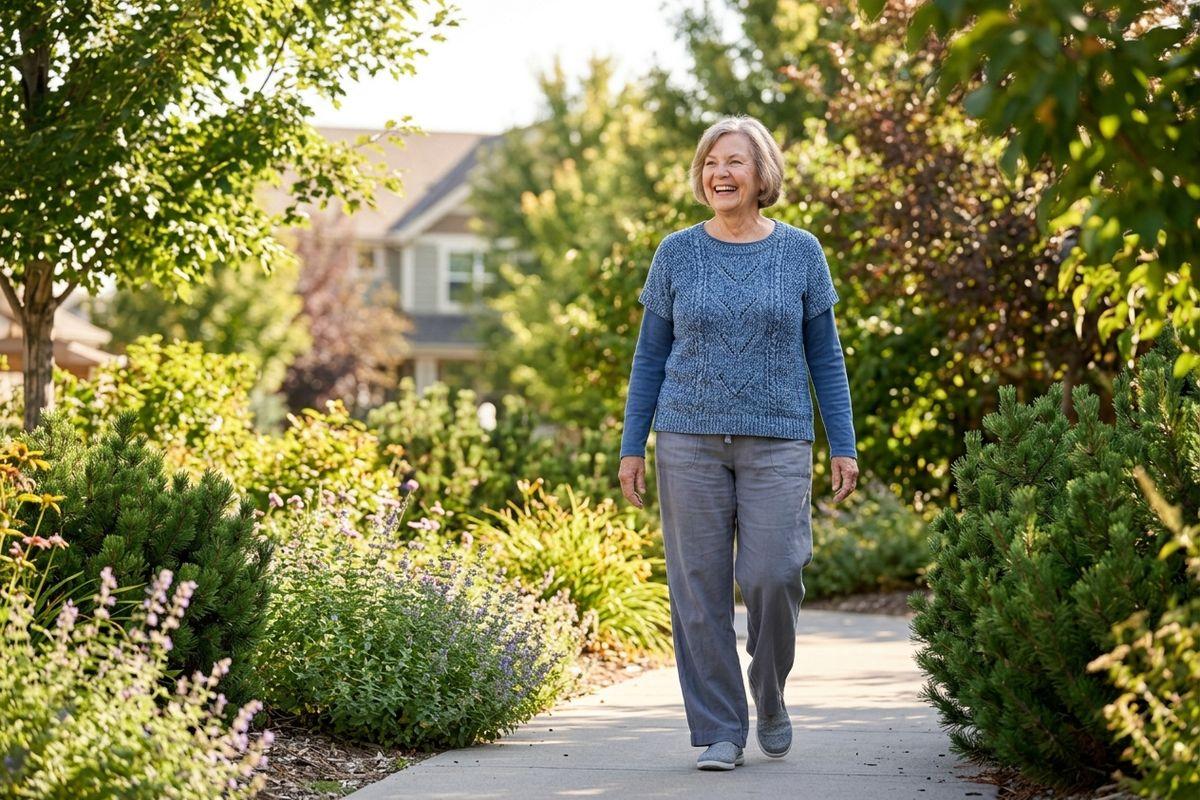
Healthy aging is built on consistent routines rather than dramatic lifestyle changes. Small daily choices often have the greatest impact on physical health, emotional well-being, and overall quality of life.
Staying Physically Active
Regular movement helps maintain strength, balance, flexibility, and cardiovascular health. Activities like walking, swimming, stretching, or fitness classes designed for older adults can improve mobility while reducing the risk of falls. Even moderate activity performed consistently offers meaningful long-term benefits.
Eating Nutritious, Balanced Meals
A balanced diet provides the nutrients older adults need to support healthy muscles, bones, and immune function. Meals that include lean proteins, fruits, vegetables, whole grains, and healthy fats contribute to overall wellness, while proper hydration supports many essential body functions. Consistent, nutritious meals also help manage many chronic health conditions.
Keeping Up with Preventive Healthcare
Routine medical appointments help identify potential concerns before they become more serious. Annual physicals, recommended screenings, vision and hearing exams, vaccinations, and medication reviews all contribute to healthier aging. Preventive care gives families greater confidence that changing health needs are being addressed.
Staying Socially and Mentally Engaged
Strong social connections support emotional wellness and cognitive health throughout later life. Spending time with friends, participating in community activities, enjoying hobbies, and continuing to learn new skills all help older adults remain engaged and connected. These meaningful interactions can also reduce feelings of loneliness and isolation.
How Senior Living Can Support Well-Being
Supporting healthy aging often extends beyond medical care alone. The right environment can encourage healthy routines, reduce everyday stress, and make it easier for older adults to stay active, connected, and engaged. These communities offer plenty of amenities that promote overall wellness, including:
- Chef-prepared, nutritious meals
- Fitness classes and wellness programs
- Medication reminders and health monitoring
- Social events and engaging community activities
- Transportation for medical appointments and errands
- Personalized support that adapts to changing needs
- Safe, accessible living spaces
- Educational programs, hobbies, and lifelong learning opportunities
Together, these resources create an environment where older adults can focus less on daily responsibilities and more on enjoying meaningful experiences, building relationships, and maintaining their overall health.
How Senior Living Supports Healthier, Fuller Days
Supporting a loved one’s health means looking beyond individual medical conditions and considering the routines, relationships, and resources that contribute to everyday well-being. By understanding common health risks for seniors and encouraging healthy habits, families can help older adults continue living active, fulfilling lives while preparing for changing needs with confidence.
At Juniper, we believe healthy aging is about nurturing the whole person through connection, purpose, wellness, and compassionate support. If you’re exploring senior living options for someone you love, contact our team today to find the perfect community for your loved one.